



The Urinal That Confused the Art World

The Urinal That Confused the Art World
By Cheryl Quejada Canning, Sydney — 10 August 2026
The first time I saw Duchamp’s Fountain, I didn’t react the way the art world expected me to. I didn’t stand there thinking, “How daring, how provocative, how conceptual.” No. My mind went somewhere completely different.
I looked at that urinal and thought: This isn’t an object, it’s a vessel. A vessel where every idea, every concept, every attempt at meaning passes through. Good ideas, bad ideas, exceptional ones, moronic ones, all of them end up in the same place.
And that’s exactly why the piece still hits harder than half the installations being pumped out today.
Duchamp wasn’t trying to impress anyone. He wasn’t trying to be fashionable or clever. He wasn’t chasing trends or curatorial approval. He was making a statement about the fate of ideas themselves about how art, thought, ego, and intention all eventually dissolve. Nothing is sacred. Not the object, not the artist, not the institution.
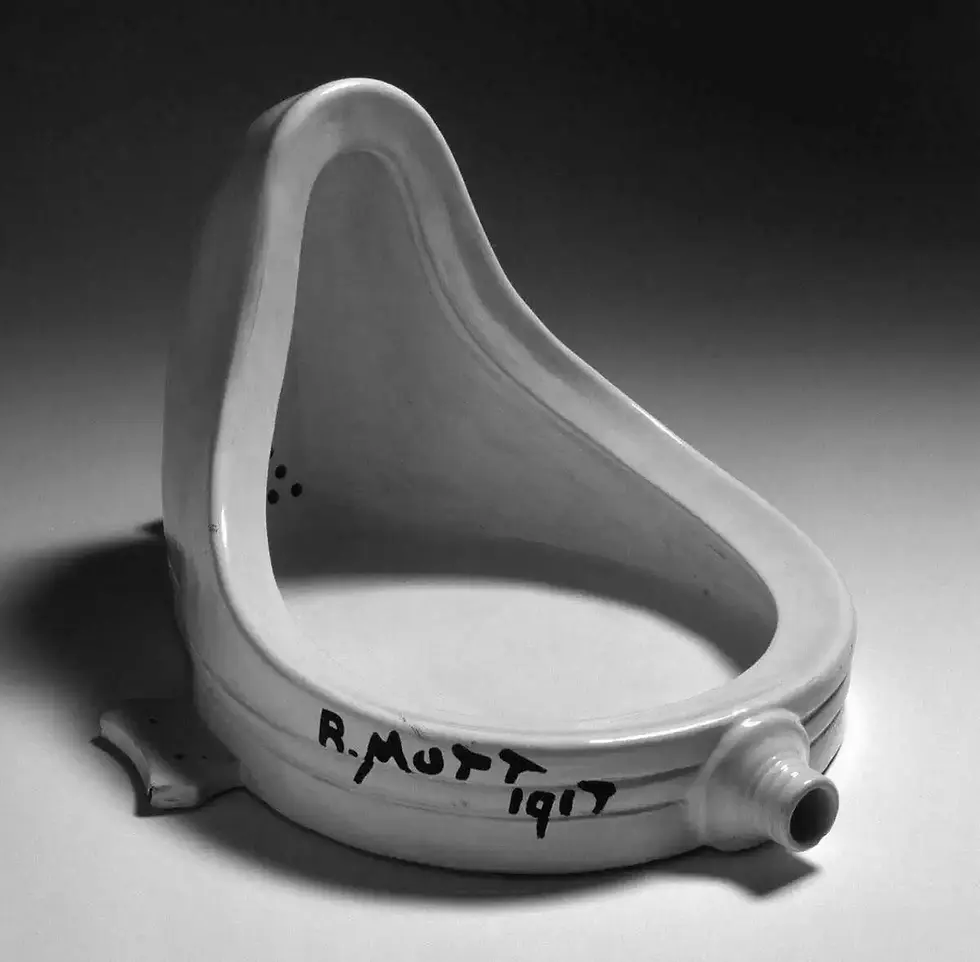
The urinal is a reminder that the art world, with all its seriousness and self‑importance, can be flushed down to the same level as everything else. It’s humbling. It’s funny. It’s philosophical. And it’s grounded in real life, not in art jargon.
Maybe that’s why so many contemporary installations feel hollow to me. They imitate the look of conceptual art but not the substance. They bend metal, fill rooms, create immersive environments, and then rely on a wall label to tell you what you’re supposed to feel. Duchamp didn’t need a wall label. The gesture was enough.
When I saw Fountain, I didn’t see a urinal.
I saw a challenge.
A provocation.
A truth about the creative process that most artists don’t want to admit.
Everything we make every idea we think is brilliant or profound, eventually passes through the same vessel. Some ideas survive. Most don’t. And that’s okay.
Duchamp understood that.
The art world didn’t.
And maybe that’s why they were confused.
The Shame Behind the “Goal Keepers in Suits”
And here’s the part that frustrates me: There are creatives out there who are genuinely clever, artists who actually have something to say about this world. Artists who can make you stop, tilt your head, and think, “What is that all about?”
The kind of work that doesn’t just look good, but hits you with something profound. The kind of work that makes an audience spin their heads, question themselves, question society, question meaning.
Work that makes you think, not just feel aesthetically pleased for a moment.
But in the art world, so much depends on the so‑called “gatekeepers.” Or as I call them "goal keepers in suits."
They decide who gets through, who gets shown, who gets labelled “important.” And it’s not always the artists with depth or substance. It’s often the ones who fit a trend, a network, a curatorial agenda, or a fashionable idea of what “contemporary” should look like.
And that’s the shame.
Because the artists who truly have something to say — the ones who can shake your mind, not just your eyes, often get overshadowed by installations that are decorative, trendy, or conceptually thin.
Duchamp’s urinal confused the art world because it forced them to confront their own systems. Today, the confusion comes from something else: Why do the goal keepers in suits keep choosing work that says so little, when so many artists have so much to say?


Comments